








A Day in the Life of Singapore Vape Delivery
Before you place an order for Singapore vape delivery, the things you actually need ready are simple: a charged phone, a confirmed address with a unit number, and a rough idea of which device or pod flavour you want. That is the entire checklist. Everything else — stock checks, packing, rider dispatch, timing — happens on the seller’s side. I spent a week ordering from different local sellers to compare how the process really feels from the buyer’s seat, and the differences between a smooth delivery and a frustrating one come down to a handful of operational details rather than marketing claims.
What follows is an account of how a typical order unfolds, where delays creep in, and which signals tell you a seller is running a tight operation. If you have ever wondered why one order lands in forty minutes and another takes three hours, the answer usually sits in how the seller manages local stock and dispatch windows.
Morning: Checking Stock Before You Commit
The day starts with availability. Most delivery problems I ran into were not courier problems at all — they were stock problems wearing a courier costume. A seller who lists an item as available but actually has to source it after you pay will always be slower than one holding physical inventory. The reliable operators keep ready local stock on shelves, which means the moment your order is confirmed, someone is already walking to a shelf rather than messaging a supplier.
This is where the lana vape sg model stands out in practice. Because the inventory is held locally rather than promised from an overseas warehouse, the gap between order confirmation and packing is measured in minutes. When I ordered mid-morning, the confirmation came through fast and the status moved to packing almost immediately. Compare that with sellers who take payment first and then discover the flavour you wanted is out of stock, forcing either a substitution or a refund conversation.
My practical takeaway for the morning window: order before the lunch rush if you can. Dispatch queues build quickly around midday, and a seller with genuine local stock will still beat one that is scrambling.
Midday: Placing the Order and What Happens Next
Placing the order itself takes under two minutes. The part worth watching is what happens in the ten minutes after payment. A well-run operation sends an order confirmation, then a packing notification, then a dispatch notification with a rough arrival window. A poorly run one sends a confirmation and then goes quiet, leaving you to guess.
During my comparison, the clearest differentiator was communication rhythm. Sellers using Lana vape same day delivery kept the status chain intact: confirmed, packed, dispatched, arriving. That rhythm matters more than raw speed, because it tells you whether the order is actually moving or sitting in a queue.
One detail I appreciated: discreet packaging. Orders arrived in plain outer packaging with no product branding visible, which is the standard you should expect from any serious local seller. If a listing does not mention packaging discretion, ask before ordering.
Afternoon: The Courier Window and Realistic Timing
Afternoon is when timing expectations get tested. Same-day delivery in Singapore is genuinely achievable, but it depends on three variables: distance between the seller’s stock location and your address, the rider’s current load, and whether your address details are complete. I lost time on exactly one order because the unit number was missing from the address field. The rider called, I corrected it, and the order still arrived — but twenty minutes later than it would have.
The sellers who handle this well send a pre-dispatch check asking you to confirm the address. It is a small step that prevents most failed deliveries. If you are ordering to an office, note the building name and lobby instructions in the order notes; riders navigating large commercial buildings lose more time than riders stuck in traffic.
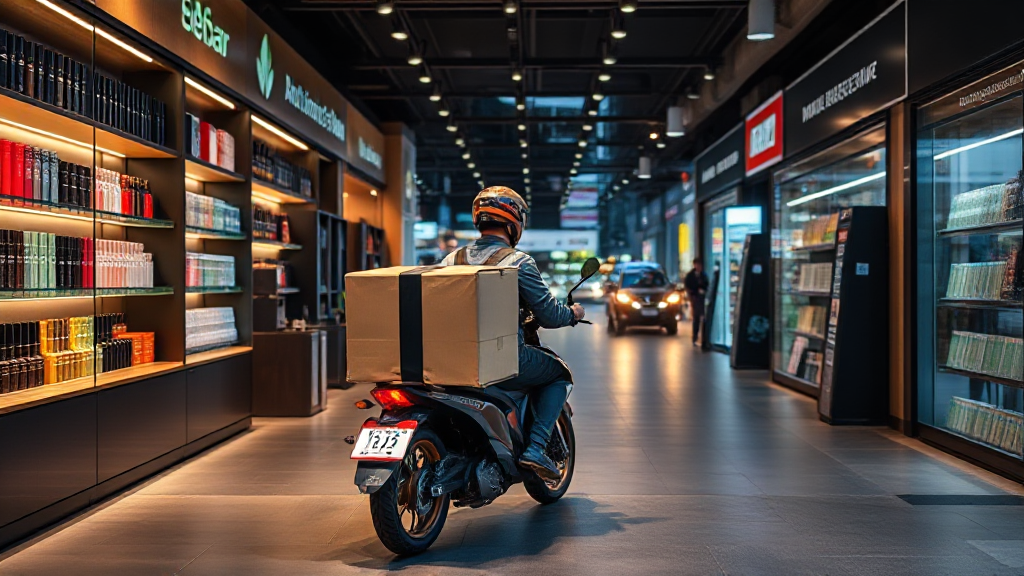
By mid-afternoon, a well-stocked seller is usually on their second or third dispatch round. That is the advantage of local inventory: multiple dispatch windows per day rather than a single cut-off. When I compared a Vape delivery sg order placed at 2pm against one placed at 5pm, both arrived the same day, but the 2pm order had a noticeably tighter arrival window.
Evening: What a Good Delivery Experience Looks Like
Evening orders are where the difference between a real delivery operation and an informal one becomes obvious. A proper operation confirms the order, dispatches a rider, and delivers within the stated window. An informal one might tell you “later tonight” and leave you waiting past midnight.
What I look for in the evening window is a hard arrival estimate rather than a vague promise. The better sellers give a window, hit it, and follow up afterwards. The follow-up matters because it tells you the seller is tracking outcomes, not just pushing orders out the door.
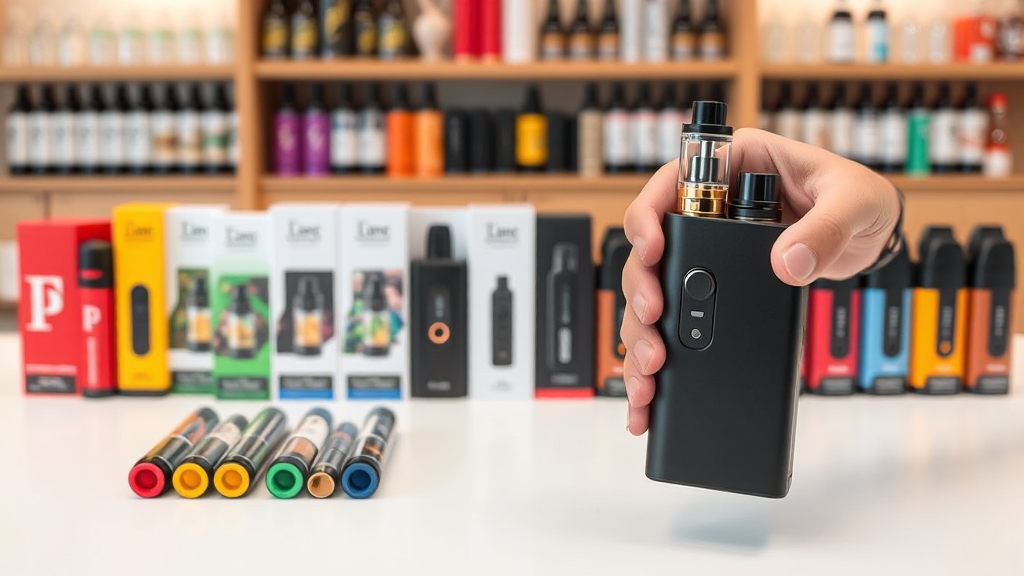
I also started paying attention to product authenticity signals. Devices and pods should arrive sealed, with packaging that matches the listed model exactly. If you ordered a specific Elf Bar model, the box should say so. Sellers who move real local stock tend to have consistent packaging because they are not repackaging grey-market units. This is one of the quieter reasons to prefer an established local retailer over a random listing: consistency is easier to maintain when you control your own inventory.
For anyone weighing options, it helps to think of an Sg vape shop delivery service as a logistics product first and a retail product second. The retail side determines what you can buy; the logistics side determines whether the experience is pleasant or irritating.
Night: Comparing Sellers on the Details That Matter
After a week of orders, the comparison came down to four measurable things rather than brand claims.
Stock truthfulness. Does the listing reflect what is physically on the shelf? Sellers with ready local stock pass this test. Sellers sourcing on demand fail it regularly.
Dispatch speed. How long between payment and the rider leaving? Under thirty minutes is strong. Over two hours usually means the item was not actually in stock.
Communication. Are you told when the order is packed and dispatched, or do you have to ask? Proactive updates are the clearest sign of a professional operation.
Packaging discretion. Plain outer packaging, sealed product inside, no branding on the outside. This should be non-negotiable.
The seller that scored consistently across all four was the one running Singapore lana vape operations with local inventory and multiple daily dispatch rounds. It was not dramatically faster than the second-best option on every single order, but it was predictable — and predictability is what you actually want when you are waiting at home.
What I Would Do Differently Next Time
If I were starting this comparison again, I would change three habits. First, I would confirm stock availability before paying rather than after, because that single step eliminates most delays. Second, I would always include full address details and lobby instructions in the order notes. Third, I would order earlier in the day when possible, since afternoon and evening dispatch queues are longer.
The broader lesson from the week is that same-day delivery in Singapore is not a marketing gimmick — it is a genuine operational capability, but only for sellers who hold real local stock and manage dispatch properly. The gap between the best and worst experiences I had was not about the product at all. It was about whether the seller treated delivery as a core part of their business or an afterthought.
For a buyer, that means the evaluation is straightforward. Ask where the stock is held, ask when dispatch happens, and ask how packaging is handled. The answers tell you almost everything about how your order will go. Choose the seller who answers all three clearly, and the delivery experience stops being a gamble and starts being routine.